

Nearly two decades of pushing the boundaries of digital audio have taught us one fundamental truth: extraordinary sound is never the result of a single innovation, but the harmony of every element working together.
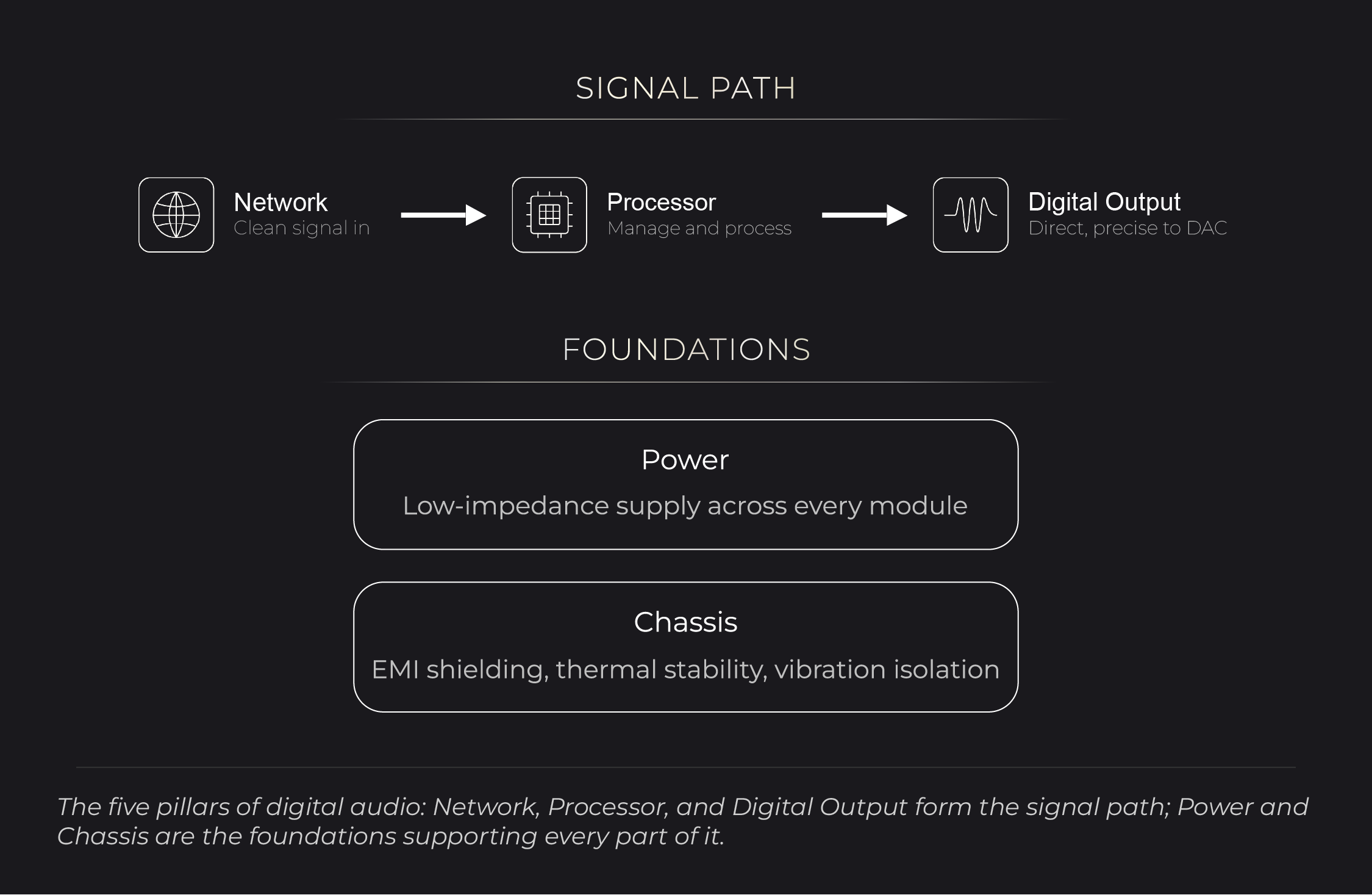
Through years of research, engineering and relentless refinement, we have identified five essential pillars that define the performance of a digital audio system. Each plays a vital role in unlocking its full sonic potential, and compromising on even one can limit the entire listening experience.
NAZARÉ is the ultimate expression of this philosophy. Conceived from the ground up with all five pillars at its core, our flagship embodies everything we have learned in our pursuit of musical excellence.
“Network, Processor, Digital Output, Power, and Chassis are not five separate problems to be solved by different products – they are five facets of one design, each shaped by other. The philosophy runs through every part of the system. The result is a system in which no single component is a weak link, and in which each module makes the others perform better than they could alone”, says Nuno Vitorino, Innuos Co-Founder and R&D Director.
Design Philosophy
Every Innuos product is designed around five pillars of engineering. As you move up the range, each pillar is refined to deliver greater processing capability, cleaner power, improved isolation, and more precise signal handling.
-
PROCESSOR
More dedicated resources and greater isolation of critical audio tasks
Learn more -

POWER
More sophisticated power supplies, regulation and energy storage
Learn more -

CHASSIS
Greater mechanical rigidity and isolation for a more stable environment
Learn more -

NETWORK
Higher-performance network architecture, clocking and isolation for cleaner signal delivery
Learn more -

OUTPUT
More refined interfaces and output stages to preserve signal integrity to your DAC
Learn more

Streaming has transformed how we access music, but it has also introduced the network as a direct path for electrical noise into the digital source. Far from being a passive carrier of data, the network connection is now widely recognised as a critical performance factor. A clean, well-isolated network feed allows the processor to do its job without fighting interference introduced upstream. We treat the network not as an accessory, but as a core component of the architecture.

The processor is the heart of the system. It comprises the electronics and software responsible for managing the music library and orchestrating playback. Its task is to deliver the audio data to the output stage with the lowest possible electrical noise and the most precise timing. Every decision in the processor design — from the choice of components to the way software interacts with hardware — is made in service of this goal.

The connection between the source and the DAC is one of the most fertile areas for sonic improvement, and one of the most overlooked. Each DAC has its own strengths, its own preferred protocols, and its own sensitivities. By tailoring the digital output to leverage these characteristics – and by ensuring the signal arrives pristine and perfectly timed – the DAC is given the conditions it needs to perform at its full potential.

Power is the foundation on which everything else stands. No matter how sophisticated the processor or how refined the output stage, their performance is ultimately bounded by the quality of the power feeding them. A well-designed power supply is one of the most consistent and audible contributors to the performance of any digital source, and it deserves the same engineering attention as the signal path itself.

The chassis is far more than an enclosure. It plays a defining role in the final sound by addressing three factors that have a clear and audible impact: electromagnetic interference (EMI), thermal management, and mechanical vibration. A chassis that controls all three creates the stable environment that sensitive electronics need to perform at their best, and it is often what separates a good system from a truly great one.
Music Streamers & Servers
From your first step into high-resolution streaming to the ultimate in digital performance
 |
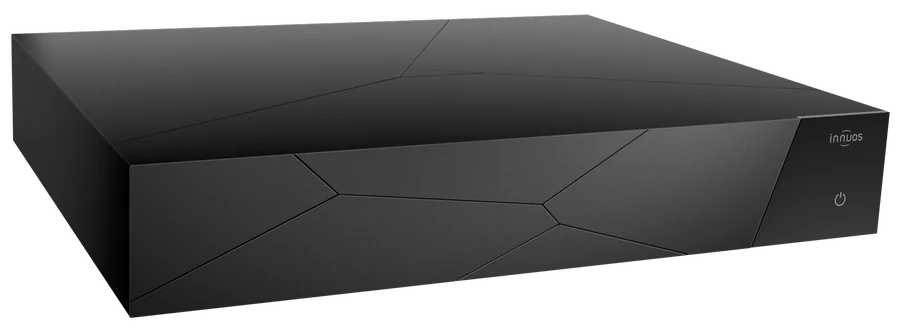 |
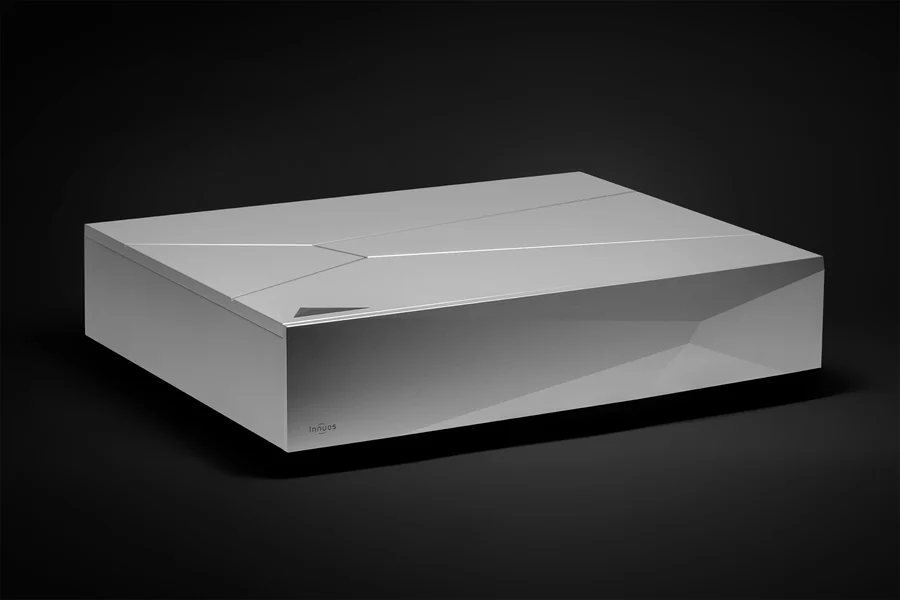 |
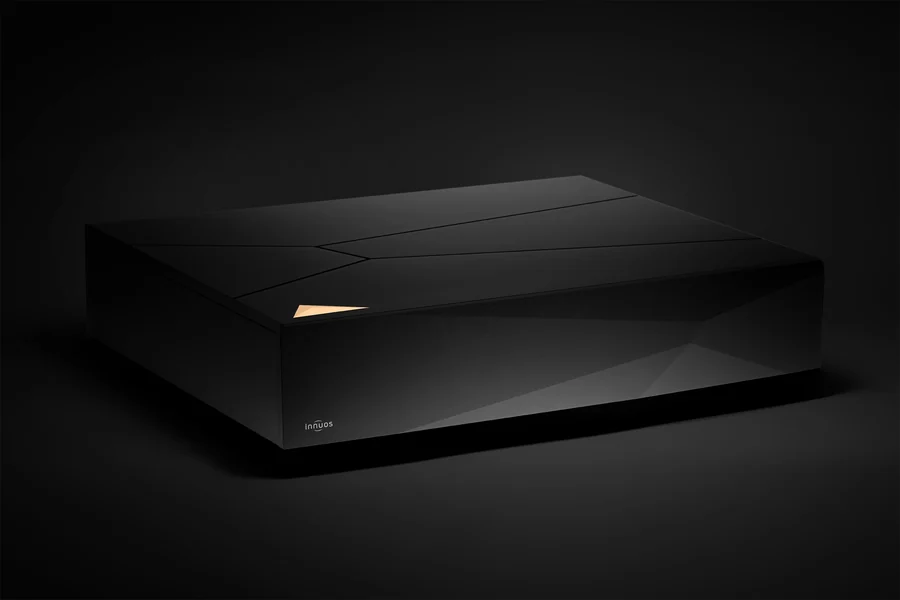 |
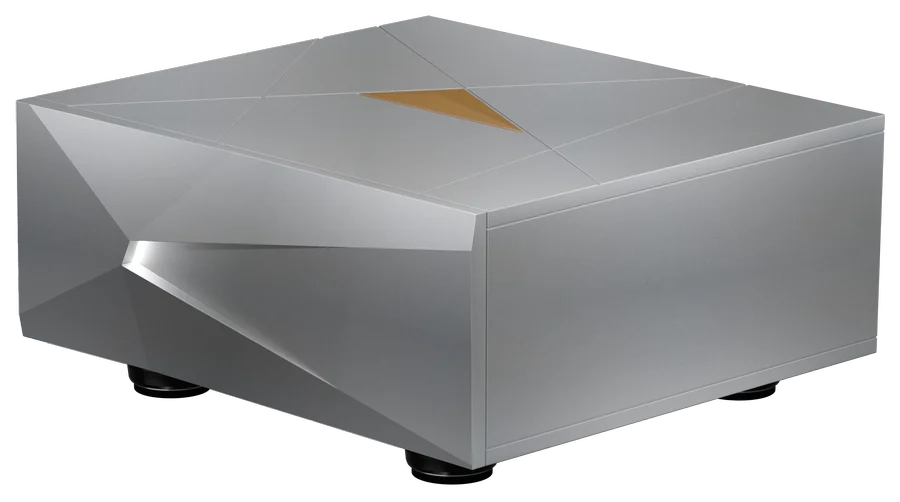 |
|
|---|---|---|---|---|---|
|
Processor
|
N97Real-Time Kernel | N97Real-Time Kernel | PreciseAudio BoardIntel Core i3, 4 + 4 cores16GB DDR4 RAM | PreciseAudio BoardIntel Core i7, 8 cores16GB DDR4 RAM | PreciseAudio BoardIntel Core i9, 10 cores, 32GB RAMDedicated PreciseUSB & PreciseNET boards |
|
Power
|
CX RegulationFiltered Switch-Mode PSULPS1 Upgradeable150VA Toroidal TransformerMundorf Capacitors | ARC6-CX Active Rectifier & Regulator132,000uf Mundorf Capacitance300VA Toroidal | RECAP2 NGaN150VA transformer | ARC6 NGaN300VA transformer130,000µF Mundorf capacitance | 2 x GaN-ARC8 rectification, 752,000µF Mundorf capacitance2 x 400VA multifilar transformers, Lundahl inductors4 x DC4 regulators for PreciseUSB/NETNGaN+ regulation for PreciseAudio |
|
Chassis
|
Half-width, Folded Zincor10mm CNC-machined Aluminium front fascia | Full 10mm CNC-Machined Aluminium enclosure | Full 10mm CNC-machined Aluminium enclosure | Full 10mm CNC-machined Aluminium enclosure | Full 10mm CNC-machined AluminiumFull TONEO SmartStackIsoAcoustics isolation feet |
|
Network
|
NET1 Upgradeable | NET3 Upgradeable | 2 x Gigabit Ethernet, bridgedNext-Gen NET upgradable | 2 x Gigabit Ethernet, bridgedNext-Gen NET upgradable | 1 x PreciseNET (1Gbps RJ45)NazaréNET upgradable |
|
Output
|
Powered by CX Regulator- StandardDAC Board- PerformanceDAC Board- PhoenixUSB Board- SPDIF Board | Powered by ARC6-CX- PerformanceDAC Board- PhoenixDAC Board- PhoenixUSB Board- PhoenixI2S Board- SPDIF Board | Modular outputs3 x USB 3.2 Gen2 | Modular outputs3 x USB 3.2 Gen2 | Modular outputs1 x PreciseUSB (USB 2.0)2 x USB 3.2 |
Audiophile Network Switches
Cleaner data, lower noise, greater stability for your digital music
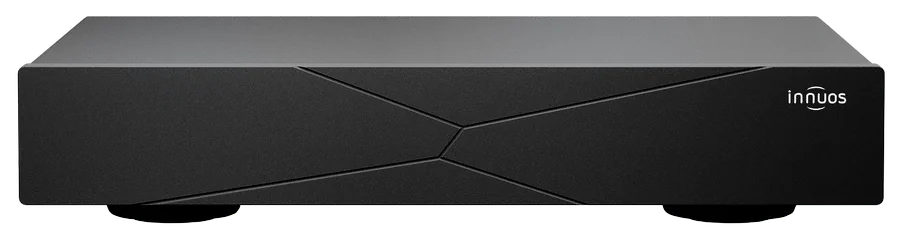 |
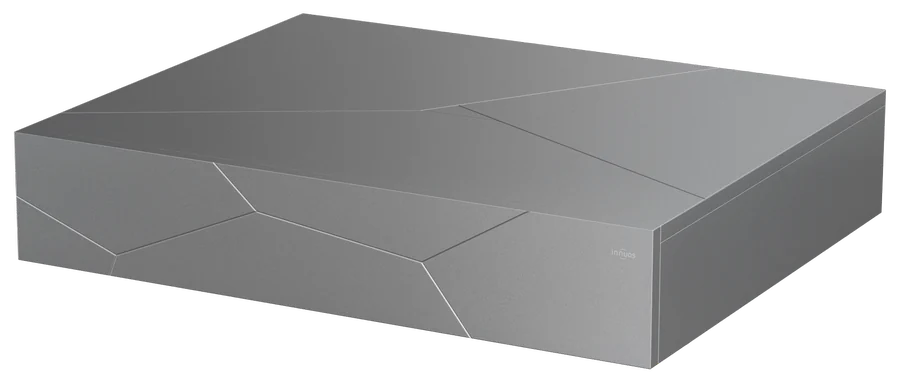 |
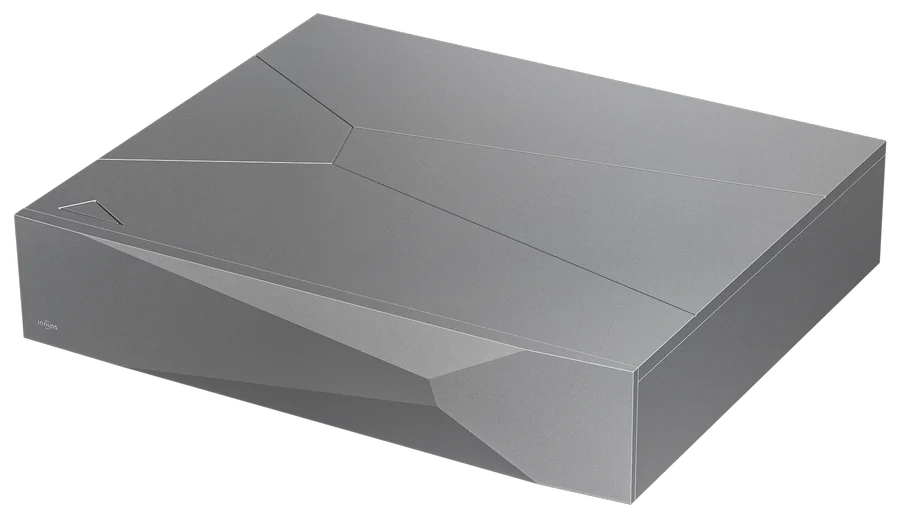 |
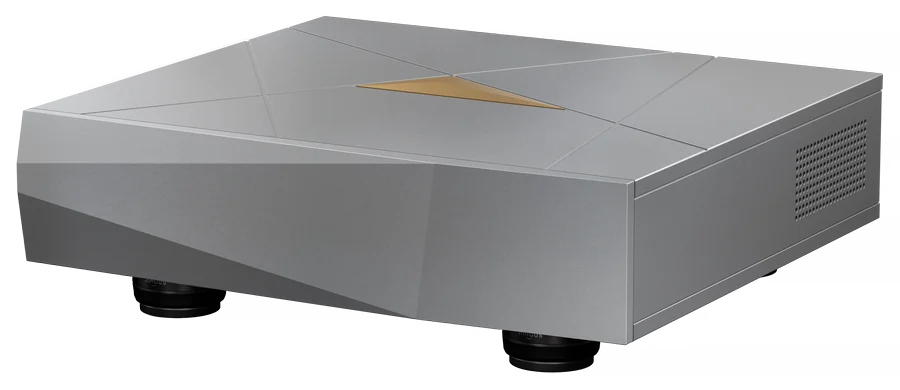 |
|
|---|---|---|---|---|
|
Processor
|
— | WaveNET board (main processing hub)Microprocessor shuts down after initialisation | WaveNET boardCustom ultra-low-noise firmware | WaveNET boardEthernet controller on 2 dedicated railsMicroprocessor shuts down after initialisation |
|
Power
|
Filtered switch-mode PSUUpgradable with LPS1 | TwinCX power regulation module2 x independent low-noise railsToroidal transformer, Mundorf capacitors | ARC6 rectification, 300VA transformer4 x CX Regulator modules | GaN-ARC8 active rectification4 x DC4 regulation modules376,000µF capacitanceMultifilar transformers, Lundahl inductors |
|
Chassis
|
Half-width, Folded Zincor10mm Aluminium front fascia | Full 10mm CNC-machined Aluminium enclosure | Full 10mm CNC-machined Aluminium enclosurePartial TONEO SmartStack | Full 10mm CNC-machined Aluminium enclosureFull TONEO SmartStackIsoAcoustics isolation feet |
|
Network
|
PhoenixNET board3ppb OCXO clock | WaveNETConfigurable via Sense25MHz 3ppb OCXO clock | WaveNETConfigurable via SenseOCXO clock | WaveNETConfigurable via SenseOCXO clock with dedicated supply |
|
Output
|
4 x RJ45Large isolation transformers | 1 x SFP + 4 x RJ45Large isolation transformers | Finisar SFP + 4 x RJ45Large isolation transformers | Finisar SFP (single-mode) + 4 x RJ45Large isolation transformers |
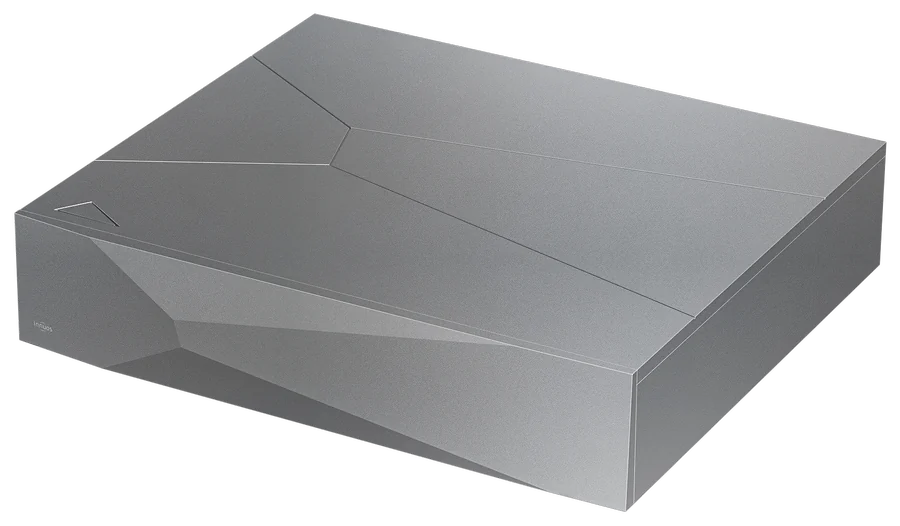
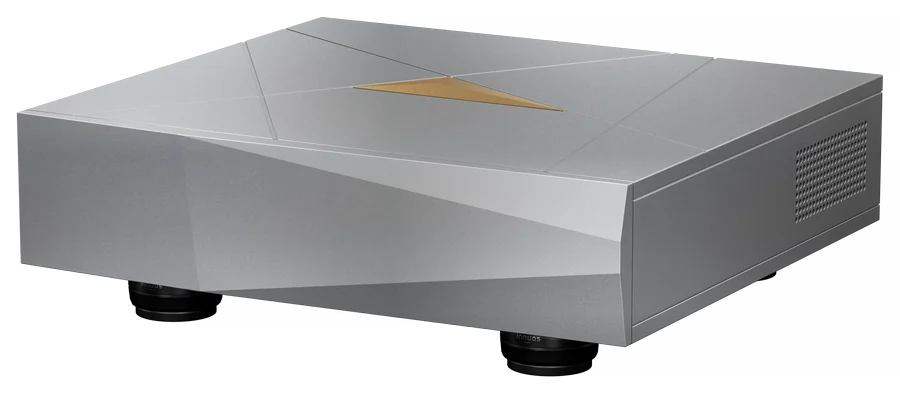
Modular Reclockers & Converters
Precision timing for a more focused, more natural sound
 |
 |
|
|---|---|---|
|
Processor
|
USB master reclocker3ppb OCXO clock | Master reclocker circuit3ppb OCXO with dedicated isolated railNo computing stage |
|
Power
|
ARC6 Rectifier, 300VA Transformer4 x CX Regulator modules | GaN-ARC8 active rectificationDC4 regulation376,000µF capacitanceMultifilar transformers, Lundahl inductors |
|
Chassis
|
Full 10mm CNC-Machined Aluminium EnclosurePartial TONEO SmartStack | Full 10mm CNC-machined Aluminium enclosureFull TONEO SmartStackIsoAcoustics isolation feet |
|
Network
|
No network connectionUSB audio input from any source | No network connectionUSB Type-B audio input |
|
Output
|
USB OCXO Master ReclockerInternal Modules:PhoenixDACSPDIFPhoenixUSBPhoenixI2SEMM Labs OptilinkMSB ProISLCH Precision CH-Link | USB OCXO Master ReclockerInternal Modules:PhoenixI2SEMM Labs OptilinkMSB ProISLCH Precision CH-Link |